


Physicians, pharmacists, and police bring substance-use care to those in custody
Posted on April 1, 2026
North Vancouver-based family physicians Dr Michelle Brousson and Dr Brighid Cassidy know substance-use care is more than just a medical concern; it’s a community concern. That’s why they partnered with North Vancouver RCMP, West Vancouver Police Department, outreach workers, and local pharmacists to provide timely, evidence-based opioid replacement therapy (ORT)—also known as opioid agonist therapy—to patients in short-term custody.
Building on discussions within the North Shore Community Committee on Substance Use—a roundtable of physicians, law enforcement, individuals with lived experience, First Nations representatives, and other community partners—Dr Brousson and the project team developed a program to provide medical care in police custody to people at risk of withdrawal.
“It’s been so valuable to work with multiple community partners to optimize care, enhance safety for this population, reduce unnecessary emergency department visits, and improve continuity of care,” says Dr Brousson. “By thinking of the circle of care in a new way, we’ve been able to keep individuals on their opioid medication [e.g., Methadone] or do a restart.”
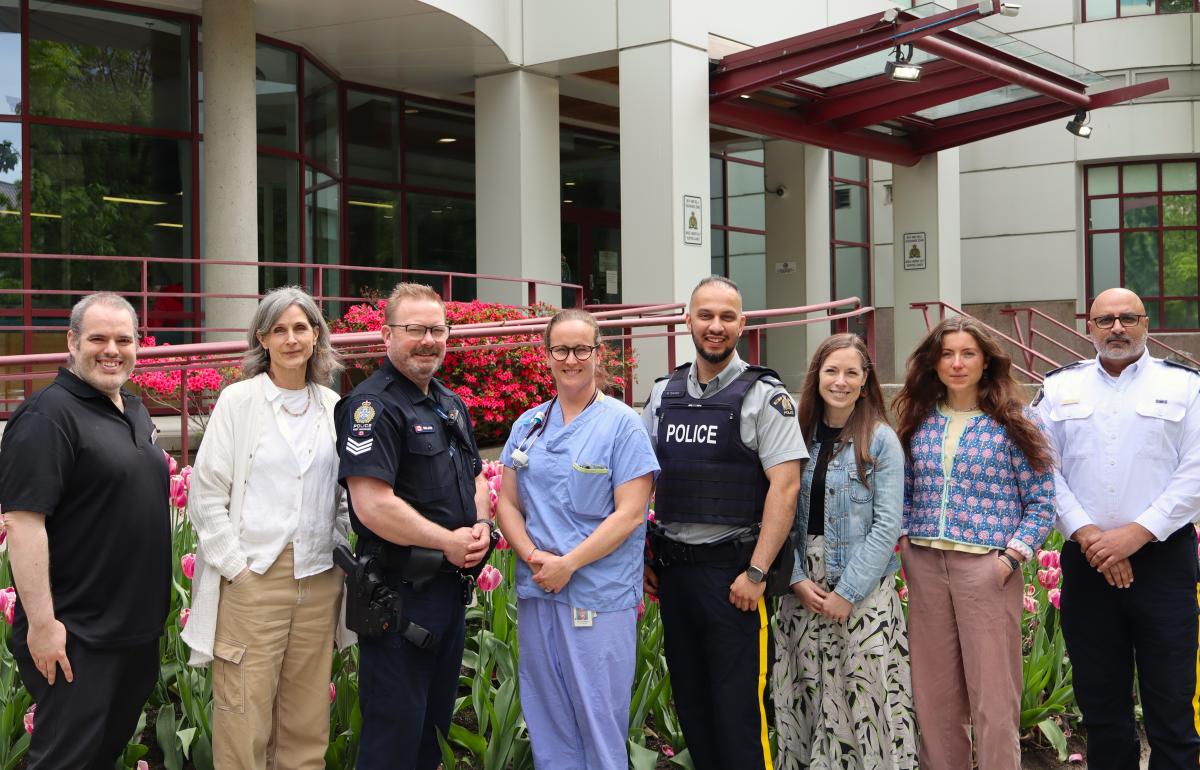
The ORT protocol sees law enforcement officers working with a virtual medical team—like Lighthouse or the provincial Opioid Treatment Access Line—to ensure patients experiencing, or at risk of experiencing, withdrawal symptoms receive the care they need while in custody. This creates the potential to set patients on a path to recovery, as they can present their best selves when appearing before a judge. Additionally, comfortable detainees create a safer work environment for officers and others.
“An arrested person should still feel like they are being treated with respect and dignity,” explains Sgt Chris Bigland of the West Vancouver Police Department, whose Community Services unit has supported this project.
His team works with Dr Brousson and local pharmacists to ensure people under their care can access medicine to address their opioid dependence. In addition to the patient receiving timely care, Sgt Bigland says police also benefit from thestable, calm conditions that occur when the medical needs of those under their care are being met.
During the ORT protocol’s first year, North Vancouver RCMP officers noted a 50% decrease in calls to emergency services and detainee hospital transports. Officers who used the protocol noted those in custody were less irritable and agitated, resulting in increased safety for all involved and reduced discomfort for the patient.
Sgt Dave Potts, a watch commander on North Vancouver RCMP’s Community Policing unit, couldn’t agree more.
“Reducing withdrawal-related medical issues lowers the need for hospital transports and allows officers to remain on the road and focused on other priorities,” explains Sgt Potts. “Additionally, when someone in custody is comfortable and stable, they’re better able to participate in the investigative process, including interviews.”
Of those patients who responded to a survey, the majority indicated they felt they were treated with respect and dignity and that the officer explained their care options clearly, resulting in receiving ORT before they became uncomfortable. One patient said, upon seeing the pharmacist arrive, “Now that you’re here, I know I’ll feel better soon.”
Led by the North Shore Division of Family Practice, this project received funding from Shared Care beginning in 2022 and was completed in 2024. In 2025, the Shared Care Committee—a partnership between Doctors of BC and the BC government—approved additional funds for the project to begin spreading to new communities.
The team has engaged with police detachments in other communities, with one preparing to implement the program in 2026 and another at an early stage of discussion.
This project was funded by the Shared Care Committee, one of four joint collaborative committees of Doctors of BC and the Government of BC.
If you would like to learn more about the project or how to implement the ORT protocol in your community, please contact Cynthia Buckett at the North Shore Division of Family Practice.