

Partners in Care Conference 2026
The Shared Care Committee, a collaborative committee between Doctors of BC and the BC government, is pleased to announce the 2026 Partners in Care Conference, bringing together family physicians, specialists, health care providers, health authority leaders, project staff, and other health care partners to build and spread system change together.
This unique two-day conference will connect you with colleagues to exchange ideas, engage with new perspectives, learn about culturally safe care, and celebrate the successes of Shared Care. You'll hear and share how to collaboratively advance patient care in alignment with key system priorities. You'll also have the opportunity to develop and apply your leadership skills, with dedicated time for networking.
Join the conversation as we celebrate your achievements, learn from one another, and explore new skills and resources to enhance access to high-quality, patient-centred care in BC.
Learning Objectives
- Identify approaches to improve patient care in alignment with the IHI Quintuple Aim.
- Demonstrate the ability to spread and scale up projects to achieve broader system impacts.
- Examine and effectively apply the strategies of change leaders.
- Recognize how others are taking steps to advance Indigenous-Specific Anti-Racism and culturally safe care.
Spotlight Presenters
Marlies van Dijk

Dr Jaason Geerts

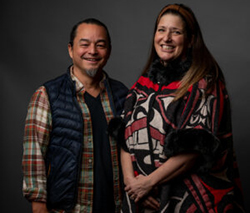
Heather and Shawn Atleo
Storyboard Abstracts
- Cross-sector trauma-informed training improving police engagement with vulnerable youth
-
The Child and Youth Mental Health Community of Practice and Surrey Police Department collaborated on a trauma‑informed care training session, designed to strengthen first‑line law enforcement responses to children and youth affected by adverse childhood experiences (ACEs). The initiative integrates physician‑led teaching on the neuroscience of trauma, providing officers with a clear understanding of how early adversity shapes brain development, emotional regulation, and behavioural responses. This scientific foundation equips officers with practical, trauma‑aware strategies to approach youth with empathy, predictability, and de‑escalation techniques that reduce the risk of retraumatization during police contact.
The project demonstrates measurable alignment with the Quintuple Aim. By improving the quality and safety of police–youth interactions, the training enhances care experiences and supports healthier long‑term outcomes for vulnerable young people. Officers report increased confidence in managing mental‑health‑related calls, contributing to more appropriate referrals, fewer escalations, and reduced reliance on emergency and crisis services. These improvements strengthen access and capacity within the health system by diverting youth away from unnecessary acute care pathways and ensuring they are connected to the right supports at the right time.
The initiative also advances responder well‑being by reducing moral distress and emotional fatigue associated with high‑intensity encounters. Embedding culturally safe, trauma‑aware practices further promotes equity by acknowledging the disproportionate burden of ACEs among marginalized communities. The cross‑sector design—uniting police, physicians, and child and youth mental health practitioners—creates a scalable model that supports the accelerated spread of evidence‑informed solutions across public safety and health systems.
This project demonstrates how neuroscience‑informed, trauma‑aware training can transform frontline policing, strengthen community trust, and contribute meaningfully to the Quintuple Aim while improving outcomes for youth with lived experiences of trauma.
- Shared Care Cancer Care Call for Proposals: Supporting physician-led improvements in cancer care in BC
-
The Shared Care Cancer Call for Proposals initiative was designed to align with BC’s 10-Year Cancer Action Plan, translating provincial priorities into practical, physician-led improvement projects across the regions.
Rather than supporting individual projects, this initiative was a new approach for Shared Care, bringing together a cohort of 15 physician-led projects and partners who are passionate about improving cancer care. Projects are funded across the province and address various stages of the cancer journey. Project focus areas include strengthening rural cancer networks in the East Kootenays, improving lung cancer diagnosis in the South Okanagan, and developing an equity-focused model of care in Vancouver's Downtown Eastside. Other projects focus on reducing diagnostic wait times, improving care transitions, expanding access to supportive care, and building capacity for specialized treatments.
An interim evaluation was conducted to support ongoing learning and to document the early stages of the Cancer Call for Proposals initiative. A mixed methods approach was used, including a survey of physician project leads and interviews with implementation partners.
Findings indicate that the initiative’s most significant impact has been the connections made. This novel initiative has successfully linked clinicians and leaders from the regional health authorities, BC Cancer, PHSA, and the Ministry of Health. This alignment has created a shared language, clearer collaboration pathways, and a deeper understanding of how the Cancer Action Plan can be implemented in practice. It has also identified a cohort and potential network of physicians and partners who are interested in and passionate about improving cancer care in the province.
- Strengthening youth substance-use care through collaborative pathway design and shared learning
-
The toxic drug crisis is the number one cause of unnatural death in youth and there is a significant gap in clinician’s knowledge to identify and deal with this. The CYMHSU community of practice collaborated with UBC CPD and Pathways BC to develop a Youth Substance Use Enhanced Clinical Care Pathway, online module, and in-community workshops.
Pathway Development: The pathway was built through an iterative, trauma-informed process involving community and clinical partners. Partners include content experts (physicians and clinicians working within Health Authorities and MCFD), First Nations Health Authority, BC Children’s Hospital staff, and BC Center for Substance Use. This collaborative approach ensured the final model was both evidence-informed, incorporated the Indigenous perspective and grounded in local realities.
In addition to the clinical tools and resources, particular attention was paid to cultural safety and trauma-informed care, focus on developmentally appropriate approaches, and stratifying risks of mental health and substance use challenges through an environmental lens that encompasses the social determinants of health.
Design and Delivery Partnerships: The initiative was anchored by strong cross sector partnerships, including: primary care providers, CYMHSU community teams, school-based counsellors and youth workers, emergency and urgent care clinicians, youth and family partners and provincial partners.
These partnerships extended beyond design into shared delivery: teams co-developed educational materials, referral tools, and communication templates, and jointly facilitated learning sessions to build confidence and consistency across the system.
Results: Workshops will be held at six sites across BC, 316 people have registered for the online module, and the pathway has been accessed 1648 time since launch. Early implementation shows improved providers confidence in identification and addressing youth substance use concerns and associated concurrent conditions.
This work demonstrates how collaborative design, shared education, and relationship-centred tools can meaningfully improve care for youth navigating substance use challenges across BC’s diverse communities.
- Integrating child and youth psychiatry in the East Kootenays
-
The recruitment of the region’s first resident Child & Youth Psychiatrist in 2024 created an opportunity not only to improve Psychiatry access for local children and youth, but to explore how specialist services can be effectively integrated into a rural health system. In a rural and close-knit communities, integrating a new specialist brings added challenges, including unclear roles, limited system capacity, geographic distance, and the risk of isolation or overload without coordinated supports.
During the term of the project (May 2024 to April 2026), the project’s goal was to integrate the Child and Youth Psychiatrist into the regional health care community and create and implement clear, coordinated, culturally appropriate pathways for children and youth requiring psychiatric services.
This project was led by three physician leaders who are passionate about creating collaborative and culturally appropriate services for all children with mental health concerns.
Supported by a small project team, the physician leads provided leadership to all of the key activities of the project:
- Integrating specialist services at Foundry which is managed by the Ktunaxa Kinbasket Child and Family Services Society thus providing the opportunity with linkages to appropriate cultural resources.
- Consulting with physicians, indigenous partners, community program leaders, and patients and families to identify gaps and priorities.
- Defining the role, scope and processes for Child & Youth Psychiatry services in the region in collaboration with Interior Health and Foundry teams.
- Engaging primary care physicians to develop clear, culturally appropriate referral pathways and communication.
- Creating practical tools and resources in consultation with physicians.
- Engaging and communicating with physicians
The project evaluation revealed that the project successfully strengthened the child and youth mental health system by: improving coordination and communication between providers; increasing access to psychiatric specialist consultation; reducing uncertainty and delays in referrals; supporting provider confidence and collaboration; enhancing continuity of care for children and youth; enhancing community-wide collaboration.
- Physician-led workforce planning: Proactive specialist engagement and recruitment in East Kootenay
-
Introduction: With geographically centralized specialist services, regional patients experience travel burden, lengthy wait-times, or simply forgo essential care. For regional physicians, limited specialist access may result in family physicians managing complex conditions in community without required resources or training. Reactive specialist recruitment or inequitable distribution may inadvertently contribute to physician fatigue, disengagement, and poor patient access and outcomes.
Methods: The two-year PROSPER project trials a transparent, replicable, and data-informed Roadmap for a physician collaborative to identify existing and future need in specialties. The first PROSPER intervention initiated dialogue around specialist accessibility informed by health human resource reports (the Roadmap). Synthesizing secondary data sources and cross-sectional physician surveys, the Roadmap highlights: population distribution, growth, and disease burden; current specialist access with comparison to other regions; and, projections based on predicted population or workforce changes. The second intervention facilitates a Working Group led by Physician Leads with family physicians, specialists, and health authority representatives. Using the Roadmap, this group will champion initiatives to address gaps with persuasive and data-informed specialist position requests.
Results: A 54-page Roadmap, comprised of cross-sectional survey data (n= 74 Family Physicians and 54 Specialists) and CIHI Supply, Distribution, and Migration of Physician dataset, was reviewed by the 13 members PROSPER team. This includes distribution of 23 specialties across the East Kootenay, provincially, and two peer comparator regions. To prioritize applications for new specialist positions, participants collaborated on modified resource allocation exercises as a group based on Willingness to Pay methodology. To streamline the application process, a Physician Recruitment Toolkit, has been created and pilot-tested.
Discussion: This is a novel structured and replicable approach to describing physician involvement in health human resources and trials a collaborative group with regional health authority and physician representation. Success will be measured by new positions created and participant-reported satisfaction with PROSPER interventions.
- A practical primary care palliative pathway for BC communities
-
The Enhanced Palliative Care Pathway is a physician-led Shared Care initiative designed to strengthen the capacity of primary care providers to deliver a palliative approach to care across the illness trajectory.
With so many physicians continuously joining practices from across the world combined with changing services, this guiding pathway is a must-have tool.
Organized around the clinical question, “Would I be surprised if my patient died in the next…?”, the pathway provides time-based guidance from one to two years prior to expected death through the final days of life. It integrates advance care planning, Serious Illness Conversation tools, culturally safe communication resources, medication dosing guidance, hospice referral processes, home death planning, and provincial benefits navigation (e.g., Plan P, EI Compassionate Benefits).
The success? The pathway reinforces that most patients with life-limiting illness can be supported in primary care without requiring specialist palliative services.
In partnership with Pathways BC, physicians led the co-design of the pathway alongside nurse clinicians, hospice leaders, and regional palliative specialists. Cultural safety principles are embedded through dedicated Indigenous and multicultural advance care planning resources and training modules, supporting clinicians to engage patients and families in respectful, trauma-informed conversations aligned with their values and traditions.
By equipping family physicians and nurse practitioners with practical tools, referral clarity, and system navigation supports, the pathway advances earlier serious illness conversations, improves symptom management confidence, and reduces reliance on crisis-driven care. Hosted provincially on Pathways BC within the Enhanced Care Pathways section, the pathway is readily accessible to primary care providers across British Columbia, supporting spread and consistent application in diverse communities.
Access the Enhanced Palliative Care Pathway on Pathways BC.
- One Heart at a Time: Mobile delivery of cardiovascular care in rural/remote First Nations in BC
-
Background: Indigenous Peoples in Canada experience disproportionate cardiovascular morbidity and mortality, driven by geographic barriers, fragmented access to specialist services, and the enduring impacts of colonial health systems. Remote and reserve-based First Nations communities face particular challenges in accessing timely, coordinated, and culturally safe cardiovascular care. We developed and evaluated a community-partnered, Indigenous-led mobile cardiovascular health unit designed to deliver comprehensive diagnostics and specialist consultation directly within Carrier-Sekani Family Services (CSFS) Member Nations in northern British Columbia.
Methods: In collaboration with CSFS leadership and physicians, a mobile team consisting of a cardiologist, family physician, cardiac sonographer, exercise physiologist, and medical office staff traveled to six remote First Nations communities over nine days. Adults with clinical indications were referred by local primary care providers. Services provided included cardiology consultations, electrocardiography, exercise stress testing, echocardiography, and point-of-care lipid and hemoglobin A1c testing. Structural, process, and outcome measures were evaluated using a descriptive framework, alongside patient-reported experience.
Results: A total of 104 patients were seen; 95 consented to research participation (mean age 55.8±15.8 years; 58.9% female). Through the program, thirty percent of patients received a new cardiometabolic diagnosis and 83% experienced a change in clinical management. Participants reported that the program provided culturally safe care and was likely to positively impact their health. Delivery of services within communities eliminated an estimated average of 691 km and 9.2 hours of travel per patient, totalling more than 70,000 km and 960 hours saved across the program.
Conclusions: Community-delivered, Indigenous-led mobile cardiovascular care in remote First Nations communities is feasible, high-impact, and strongly aligned with principles of cultural safety and Indigenous self-determination. This model represents a scalable strategy to enhance access, strengthen prevention, and advance cardiovascular health equity in Canada.
- Connecting maternity care: A smarter referral pathway for Surrey-North Delta
-
Timely access to prenatal care is foundational to healthy pregnancies and communities. Yet for many patients and providers in Surrey–North Delta, navigating prenatal referrals can feel fragmented and uncertain. Questions such as “Where should I send this referral?” or “Has my patient been accepted?” often require multiple calls, faxes, and follow-ups—delaying care at a critical time.
In early 2025, a multidisciplinary working group—including Family Physicians, Nurse Practitioners, Midwives, Obstetricians, Division representatives, Fraser Health partners, and community partners—was convened to design a streamlined prenatal referral pathway to improve timely access to care and reduce administrative burden.
Community engagement identified clear priorities: a single point of entry, standardized referral forms, availability transparency of local prenatal care providers, and timely communication back to referring providers. Equity considerations—including cultural safety, language access and pathways for unattached or vulnerable patients—were embedded throughout planning.
The initiative is being implemented in two phases. First, an availability transparency system will provide real-time visibility into maternity capacity. The concept is simple: if referring primary care providers can see which providers have capacity, referrals are more likely to be directed appropriately on the first attempt—reducing rejection rates, lowering administrative burden, and improving time to care. Second, a centralized intake system will receive, triage, and route referrals efficiently and equitably. Beyond improving referral flow, the system will generate meaningful local data—offering insight into demand, capacity pressures, and gaps in care. This visibility will support more proactive planning and response to emerging or critical shortages, ensuring prenatal referrals are acknowledged and connected to the right provider in a timely manner as system realities evolve.
- Improvement in patient care for adults with Attention Deficit Hyperactivity Disorder (ADHD)
-
Introduction: The demand for Adult ADHD care has increased in recent years but access to assessments and treatment remain limited. Our project aimed to increase Primary Care Providers (PCPs) skills in diagnosing and managing uncomplicated Adult ADHD through a 4 part small group learning series.
Method: Sessions were delivered every 2 months and included case-based discussions, didactic teachings, and expert input from psychiatrists. Topics included recognizing signs and symptoms, diagnostic assessment, comorbidities, pharmacologic and non-pharmacologic management and community resources. An average of 14 PCPs attended each session; 8 attended all 4 sessions and 5 attended 3 sessions. Evaluation included a post-series focus group, a provider survey, and a patient survey.
Data & Results: Participants reported liking the format, delivery and frequency of the sessions as it allowed sufficient time to apply learnings into practice. Providers also reported greater confidence in diagnosing and managing uncomplicated ADHD on their own compared to before when the default was to refer to psychiatry or an ADHD clinic. Survey responses showed that 100% (n=5) of providers reported an increase in the number of ADHD patients they assessed and treated compared to the period the previous year.
75% (n=12) of patients who received care from their PCP strongly agreed or agreed that the training their PCP received improved their overall satisfaction with care. One patient said their doctor, “clearly cares about her patients and goes out of her way to make ADHD care more accessible by learning about it.”
Conclusion: Overall, the learning sessions were a successful way of equipping PCPs with the tools and skills needed to diagnose and manage uncomplicated Adult ADHD in primary care and can be adopted by communities experiencing similar challenges with access. The mode of delivery resulted in better retention of knowledge and application into practice by the participants.
- Urology outreach in long-term care
-
Introduction: This project aims to improve access to urology consultation for residents in Long Term Care (LTC) facilities to address common urologic issues. The initiative brings on-site specialist care directly to residents, supports nursing staff with practical tools, and reduces Emergency Room (ER) transfers. This model complements existing urology care while addressing gaps in timely outpatient access.
Methods: A local hospital-based urologist partners with LTC facilities to serve as a direct contact for urgent consultations and routine site visits. Connections with staff have been established through introductory visits and routine visits every 4–6 weeks, through a designated Point of Contact at each site. The urologist also collaborates with physicians and nursing staff to provide education sessions aimed at increasing confidence and competency in managing common urologic conditions. The primary objectives are timely responses to acute issues and equipping staff with skills to reduce unnecessary ER transfers.
Data & Results: Evaluation includes EMR data and a baseline survey distributed to physicians and nurses prior to implementation. From July 17 to October 15, 2025, 13 chronic consultations were completed with wait times under four weeks, 11 subacute issues were addressed within 24–48 hours and 15 ER transfers were prevented. 3 patients with acute urinary obstructions required ER transfer when catheter replacement could not be completed on-site; however, the outreach urologist received and treated these patients directly at the hospital, expediting care. Staff have expressed the benefit of established routine visits, particularly as wait times to see a urologist can be up to eight months. Families have expressed appreciation for the service and avoiding hospital transfers. More data will be collected as the project continues.
Conclusion: On-site urologic outreach in LTC improves timely access to care, strengthens staff capacity, and reduces avoidable ER transfers, enhancing quality of care for residents.
- No fixed address, no fixed barriers: Advancing equitable palliative care
-
People living with advanced illness in unstable housing face significant barriers to equitable end-of-life care. In September 2024, the Surrey-North Delta Division of Family Practice received EOI funding to assemble a cross-sector working group to address these critical gaps in palliative care for structurally vulnerable individuals – those who are experiencing housing instability, who use substances, and who have complex mental and physical health needs.
The interdisciplinary group, comprised of physicians, a Primary Care Network social worker, Fraser Health, BC Centre for Palliative Care, and shelter partners, identified challenges including limited access to primary care, stigma, fragmented service delivery, and safety constraints that prevent palliative services from being delivered in shelters, which many individuals consider home.
After the conclusion of the EOI phase, the team spent 6 months working with a Practice Quality Improvement (PQI) coach to refine a clear aim statement and develop a comprehensive driver diagram that identified key drivers and prioritized change ideas. This process led to the co-design of the Fraser Palliative Outreach Program (FPOP), which is an innovative pilot initiative to deliver trauma-informed, patient-centered palliative care directly to patients residing in shelters and community settings and is the first of its kind in our local Health Authority.
Cross-sector collaboration, supported in part by Healthcare Excellence Canada, allowed the group to integrate local insight with broader system learning by engaging with teams across Canada, including PEACH (Toronto) and PORT (Victoria), which deliver mobile palliative care to vulnerable populations.
This initiative represents a collective effort to restore dignity, comfort and belonging at end-of-life for some of the most marginalized members of our community. Having recently received full project funding from Shared Care, next steps for the project team will be to finalize the FPOP design, and then pilot the first phase of our program.
- Strengthening chronic pain care in British Columbia through an integrated partnership
-
Background: Chronic pain presents significant challenges for primary care providers across British Columbia. To address gaps in knowledge, access, and support, Pain BC and Shared Care developed an integrated approach combining three complementary programs: BC ECHO for Chronic Pain, Education for Divisions of Family Practice, and the BC Adaptive Mentorship Network for Pain, Mental Health and Substance Use (BCAMN). Together, these initiatives aim to build clinical capacity, strengthen communities of practice, and improve the quality of care for people living with pain across the province.
Methods: This abstract summarizes key partnership outcomes from January to December 2025. Quarterly reports were reviewed to extract participation metrics, implementation milestones, and evaluation findings across the three programs.
Results: All programs demonstrated strong engagement and measurable progress. BC ECHO for Chronic Pain completed Cycles 10 and 11 with an average of 40 participants per session and significant increases in clinician knowledge and confidence. Engagement of family physicians improved compared to previous cycles. The Divisions Education Program expanded delivery across multiple regions, with attendance ranging from 7 to 72 participants and consistently high satisfaction ratings, including mean usefulness scores above 8.7/10. BCAMN implemented a redesigned structure, launched new resources, and successfully recruited 28 new mentees, bringing the total to 77. Educational sessions delivered between May and November (after the re-structure) averaged 36 attendees, and the November Summit received 100% satisfaction across all evaluation items.
Conclusions: Early outcomes indicate that this integrated provincial partnership is strengthening clinician capacity and enhancing the delivery of chronic pain care. By combining telementorship, community-based education, and longitudinal mentorship, the initiative offers a scalable model for supporting providers in distributed health systems. Ongoing recruitment, evaluation improvements, and integration of lived‑experience partners will further increase system impact as the project continues toward its 2027 completion.
- Enhancing navigation and care pathways for children 6-12
-
Children aged 6–12 in the Comox Valley face significant challenges accessing mental, developmental, and behavioural health supports. Parent interviews highlighted the contrast between highly coordinated physical health care and the fragmented process families experience when seeking mental health services. Long wait times, differing referral practices, and difficulties navigating available services contribute to delayed care and added strain for families. The Child Wellness Collaborative (CWC) Project was developed to strengthen coordination, improve system navigation, and enhance primary care capacity across the region.
Objectives: The project improves accessibility and collaborative care for children aged 6-12 through four pillars: primary care provider education, planning and implementing a triage table, development of a centralized care directory, and establishment of a Community of Practice.
Approach: Across all pillars, work is shaped collaboratively by family physicians, nurse practitioners, specialists, Island Health, schools, and community organizations. Project governance is enhanced to include a wider range of voices and lived experiences, with intentional inclusion of Indigenous perspectives to guide the development of all four pillars. Physicians play a central role in leading education sessions, facilitating working groups, improving referral processes, and supporting more coordinated and culturally responsive approaches to care.
Results
Key accomplishments include:- Delivering four well attended Knowledge Exchange sessions that improved primary care capacity and reduced unnecessary specialist referrals;
- Completing a full mapping of child serving agencies and integrating them into the Pathways Directory; and
- Hosting the first Community of Practice event with strong participation across sectors.
These activities have strengthened relationships, improved communication, and supported a more unified approach to helping children aged 6-12 with mental, developmental, and behavioural health supports.
Next Steps
Planned activities will continue across all four pillars, including:- Hosting primary care provider education sessions;
- Continued planning and implementing a triage table;
- Determining and promoting a long-term platform for the service directory;
- Expanding Community of Practice activities.
- Strengthening community referral pathways through collegiality and quality improvement
-
Background: Fragmented communication and unclear expectations between family physicians and specialists contribute to referral inefficiencies, administrative burden, and strained professional relationships. In community-based settings, these challenges can delay access to specialty care particularly for patients with complex conditions, including older adults, requiring coordinated management.
Objective: To improve collegiality, share responsibility for high referral quality, and enhance timely access to specialty care through a multi-stream community initiative.
Methods: Following an environmental scan of the local referral landscape and relevant external initiatives, the Specialist Referrals Project was implemented in Greater Victoria.
A multidisciplinary working group (2 specialists, 2 family physicians, 1 hospitalist) guided three streams of work:
- Contextual assessment and systems exploration;
- Multidisciplinary events and communications to build trust and identify shared priorities; and
- Targeted quality improvements to referral processes.
Interventions included large-scale physician engagement events (80–100 participants each), MOA workflow surveys, resident education sessions (n=50), development of EMR templates to support appropriate referral responses, and exploration of communication tools including Pathways messaging, RACE online, and CDX pilot testing. Engagement with virtual care clinics addressed referral quality concerns and promoted shared understanding. Development of FP tools to assist with creating quality referrals.
Results: Engagement was high across all events. Compared to 59% prior to the project start, 97% of participants at the most recent event, reported improved collegiality. Forty-seven percent of surveyed physicians reported making changes to their referral processes over the past two years.
Educational and workflow tools were adopted in participating practices, and cross-specialty dialogue increased awareness of system inefficiencies and shared accountability for referral quality.
Conclusion: A relationship-centered, multi-stream approach to referral improvement can produce measurable gains in collegiality and reported practice change in community settings. Strengthening trust and shared responsibility between primary and specialty care represents a scalable strategy to advance quality, provider experience, and system efficiency in alignment with the IHI Quintuple Aim.
- Co-designing a rural integrated model for youth eating disorder care in the East Kootenays
-
Youth and young adults in the rural East Kootenay experience fragmented and inconsistent pathways for eating disorder care. Services span primary care, pediatrics, mental health, schools, and community organizations, yet no coordinated regional model has existed. A significant gap affects young adults aged 19–24, who often transition out of pediatric or school-based supports without continuity of care.
In response, Dr. Laura Swaney, community pediatrician, and Dr. Jade Jensen, family physician and Foundry physician lead, partnered through Shared Care to co-develop a locally adapted, integrated model designed for rural realities. The initiative is establishing a coordinated care pathway for individuals aged 12–24 across the region. Under shared clinical leadership, the model is being co-designed with family physicians, pediatric services, Foundry, Children and Youth Mental Health, dietitians, school partners, Medical Office Assistants, individuals with lived experience, and family members, supported by a robust regional steering committee.
Model development is informed by a three-part survey strategy targeting current patients and families, individuals who disengaged from care, and the broader community. Early engagement through Eating Disorder Awareness Month activities has generated strong participation, alongside the launch of qualitative interviews with youth, families, and providers to deepen understanding of barriers and opportunities. Community partnerships include local schools, post-secondary institutions, and primary care teams.
To address the critical transition gap for young adults aged 19–24, the project is working in formal partnership with Foundry, which has committed to long-term collaboration and sustainability. Grounded in Indigenous-specific anti-racism, cultural safety, and humility, the initiative advances equity and aligns with the IHI Quintuple Aim. This project demonstrates how rural communities can mobilize collective leadership to co-design a practical, scalable, and sustainable model of eating disorder care.
- C.A.R.E Collaborative (Comprehensive Approach to Reducing Emergency Department Transfers)
-
Long‑term care (LTC) homes are experiencing a high number of avoidable and inappropriate transfers to Emergency Departments (ED), leading to unnecessary hospital admissions and, at times, deaths in acute care for residents who are at end of life. Many transfers occur for common, manageable conditions such as fever, UTIs, or pneumonia—issues often treatable within LTC. Residents with advanced dementia, severe frailty, or MOST 2–3 (DNR) designations are frequently sent to ED even when transfers do not reflect their goals of care. These transfers cause significant distress, particularly for cognitively impaired residents who become disoriented in transport and crowded ED environments. Avoidable transfers also create additional strain on ED resources for conditions that could be managed in LTC.
The C.A.R.E Collaborative at Vancouver Coastal Health aims to reduce inappropriate and avoidable transfers from LTC homes to ED.
The collaborative strengthens clinical decision‑making within LTC, improves communication between Most Responsible Providers (MRPs), staff, and family/caregivers, and supports culturally safe, person‑centred care for some of the system’s most vulnerable seniors.
Guided by principles of Indigenous‑specific anti‑racism, cultural safety, and humility, the project encourages Goals of Care planning conversations that honour resident identity, values, and family involvement.
Emerging outcomes demonstrate strong alignment with the Quintuple Aim:
- Population Health: Fewer avoidable transfers reduce risks such as delirium, infection, and decline, supporting aging in place.
- Quality of Care: Residents receive timely, goal‑aligned, person‑centred care in their home environment.
- Equity: Vulnerable residents with frailty, cognitive impairment, or mobility limitations benefit from improved access to safe, consistent onsite care.
- Provider Experience: Staff report stronger interprofessional collaboration.
- Cost Reduction: Avoiding unnecessary ED visits reduces ambulance use, diagnostics, and hospital admissions.
The CARE Collaborative demonstrates a scalable, collaborative model that strengthens seniors’ care while improving system capacity and emergency department stabilization.
- Bridging the gap: Transforming OUD transitions from the emergency department to primary care
-
Background & Objective: Transitions for patients with Opioid Use Disorder (OUD) often fail when long waits and escalating withdrawal lead patients to leave the Emergency Department (ED) Without Being Seen (LWBS). These disruptions—and associated unsafe experiences—disproportionately impact Indigenous Peoples and marginalized groups. This Shared Care initiative redesigned pathways between the ED, Rapid Access Addiction Clinic (RAAC), and primary care in Victoria, BC, to build a more equitable, seamless system.
Innovation & Implementation: In the ED, we implemented an Acute Opioid Withdrawal Order Set for early treatment and a streamlined Substance Use Referral Follow-up (SURF) process supported by a Substance Use Network (SUN) Nurse. To sustain this work, we provided essential addictions training to nursing staff. In the community, a new RAAC → Downtown UPCC pathway was created, allowing stabilized patients to transition to longitudinal substance use care in a safer setting, avoiding triggers associated with the Pandora corridor. We also hosted a system-level engagement event with physicians, nurse practitioners, peers, Indigenous partners, and allied health clinicians to co-design sustainable care transitions for patients with OUD.
Outcomes & Impact: The project achieved measurable gains across the health system:
Quality & Equity: The Order Set reduced LWBS rates from 28% to 1%, ensuring marginalized patients are able to receive care. SUN nurses improved patient care, and SURF referrals tripled in number, closing the gap between the ED and RAAC. In its first month, the new RAAC → UPCC pathway successfully transitioned 8 patients.
Provider Well-being: Targeted OAT education increased primary care capacity; 70% of providers reported improved confidence in caring for patients with OUD, reducing the moral distress associated with fragmented care.
Indigenous Cultural Safety: By prioritizing early symptom management and engaging Indigenous patient liaisons, we addressed systemic barriers that historically lead to "forced" discharge via untreated withdrawal.
Conclusion: This coordinated, culturally informed approach demonstrates that system-level collaboration can eliminate gaps in addiction care. Due to its success, the Order Set is now being spread across Vancouver Island and we have begun engagement with providers in other communities to support their care transitions needs.
- Exploring a foundational DBT ecosystem for Vancouver patients with Affective Instability
-
This project strengthened shared, DBT-informed approaches to caring for individuals experiencing emotional dysregulation by building foundational skills across Primary care Providers and Vancouver Coastal Health (VCH) mental health clinicians. From Oct. 2024 to Feb. 2026, the initiative delivered education series including Lunch & Learns, in-person talks & webinars reaching 1,387 participants (44% Family Physicians), covering DBT literacy skills, alongside complementary learning (e.g., trauma-informed care, SafeTALK, and managing BPD in primary care). Participants reported increased confidence and intent to apply skills in practice.
In parallel, the team produced system maps of DBT services in Vancouver and a business case proposing a stepped-care DBT dosing framework to improve continuity and navigation for patients. To further expand access, the project explored General Psychiatric Management (GPM) and initiated a DBT-informed Emotion Regulation Group Medical Visit (GMV) pilot beginning January 12, 2026, with iterative improvements including extending group duration from 8 to 12 weeks based on participant feedback.
We offered trauma-informed care training. Cultural safety, humility, and trauma and violence informed (TVIC) practice were embedded by emphasizing relational care, non-stigmatizing language, and validation-based approaches that reduce blaming and diagnostic overshadowing. Additionally, session content and facilitation reinforced reflective practice (e.g., noticing power dynamics, pausing assumptions & grounding activities), conversations about distress and self-harm, and the importance of connecting patients to culturally grounded supports when desired. The team explored indigenous strategies for emotion regulation and resource sharing with the First Nations PCN has been implemented.
Physicians are leading change through co-design and implementation: Family Physicians shaped learning curriculum, priority topics, informed the stepped-care recommendations, are participating in deeper skills development (8 physicians enrolled in a 12-week Deep Dive DBT training), involved in Peer discussions. They are also championing culturally safe care by normalizing compassionate, strengths-based responses to high-distress presentations; modelling reflective communication; and advocating for system improvements such as scalable DBT Group Medical Visits and clearer pathways that reduce inequities in access and support continuity of care across settings.
- Collaborating on mental health: Connecting community strengths to address gaps in care
-
Background: The Sunshine Coast Collaborative mental health project aims to build capacity, competency and connectivity of the primary care system to better meet the mental health needs of patients and communities, with a focus on adult mental health. Additionally, to foster a collective understanding among providers and community of the impacts of trauma. Currently in its final year, the project is being implemented over 3-years on the Sunshine Coast, a dispersed and ferry-dependent rural community. The EOI phase highlighted gaps with availability and awareness of adult mental health supports in primary care, including trauma responsive care.
Approach: Responding to these identified gaps in care, and being responsive to emerging gaps during the project, a multipronged approach to implement project activities was utilized to build capacity in the system. Data was collected using a mixed methods approach:
- Embedding psychiatry in primary care: piloting an integrated collaborative mental health approach to increase patient access to timely, in person psychiatric care in their medical home and provide physicians with accessible indirect psychiatry consultation.
- Increasing access to mental health group medical visits through facilitating in-person Mindfulness Based Stress Management (MBSM) and Cognitive Behavioural Therapy (CBT) groups. Additionally, exploratory development of a co-designed trauma-responsive MBSM group to improve access to culturally safe care.
- Providing trauma-responsive education for health care providers and community.
- Facilitating intentional opportunities for provider connections and navigation of mental health supports.
Discussion: Whilst the project is currently in progress, findings from the first 2-years evaluation indicate that overall, the project has increased access to mental health supports for patients and healthcare providers, built and strengthened connections among providers, and improved understanding of mental health and trauma for patients and providers. This project shares an innovative approach nuanced to a rural community to increase equitable access to mental health care.
Accreditation
The Division of Continuing Professional Development, University of British Columbia Faculty of Medicine (UBC CPD) is fully accredited by the Continuing Medical Education Accreditation Committee (CACME) to provide CPD credits for physicians. This activity is an Accredited Group Learning Activity (Section 1) as defined by the Maintenance of Certification Program of the Royal College of Physicians and Surgeons of Canada, and approved by UBC CPD. You may claim a maximum of 8.0 hours (credits are automatically calculated). This activity meets the certification criteria of the College of Family Physicians of Canada and has been certified by UBC CPD for up to 8.0 Mainpro+® Certified Activity credits. Each physician should claim only those credits accrued through participation in the activity.
CFPC Session ID: 303419-001
Location
This year's event will be held in person at:
Westin Wall Centre
3099 Corvette Way
Richmond, BC
This event is invite-only. If you are interested in attending, please contact Shared Care for more information. Fundholders have been allocated a specific number of seats and will receive a direct link to register.
Two draws will take place at the Partners in Care Conference 2026. One draw for the Storyboard Exploration Stamp Cards, and another for completing the Day 1 and/or Day 2 Evaluation Surveys. Terms and conditions apply.